









© 2026 Clément Faure Architecture
cf@clementfaurearchitecture.com
Italy-Tuscania
Concours YAC - Pilgrims Heaven • Centre d'accueil pour pèlerins • 2024 • En collaboration avec Louis Moreau et Hugo Halbout
Les Polylithes du Pèlerin
Site, programme et concept
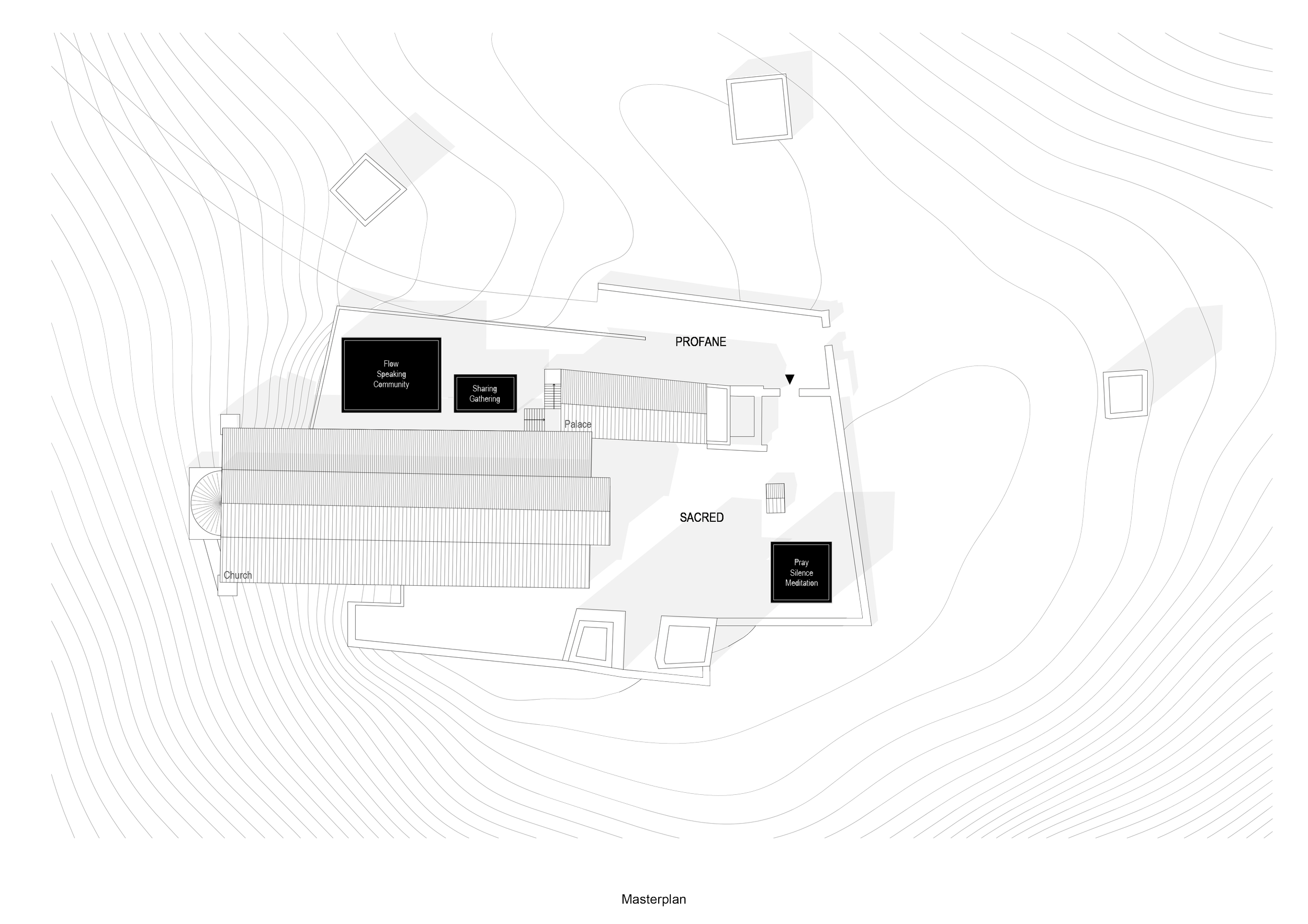
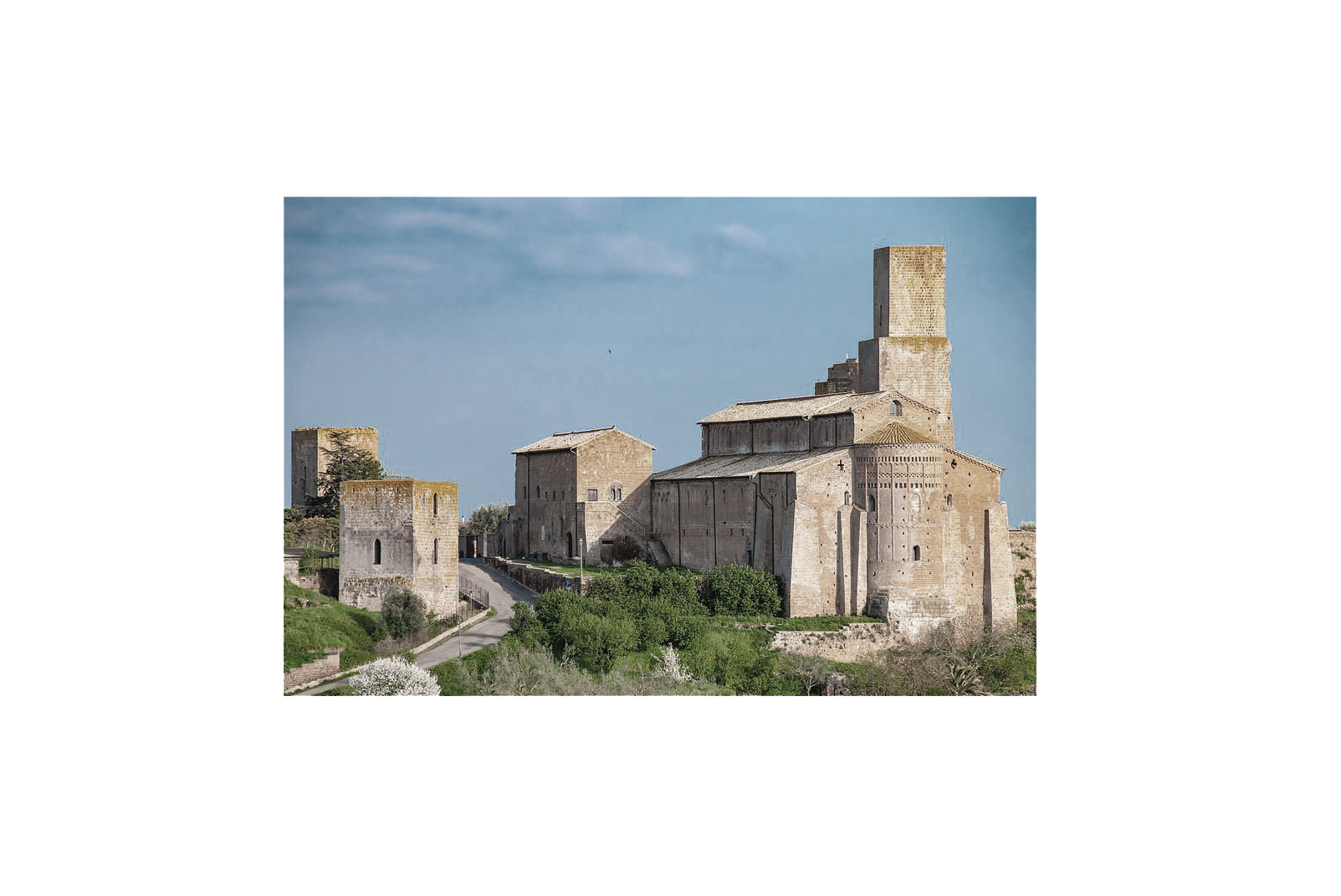
Le site, comme le programme, est hiérarchisé dans son rapport au sacré. Au nord, une plateforme surplombe la colline et s'ouvre sur la ville. Dans le parvis, l'espace est clos et fait face à l'église San Pietro. Les expériences de rencontre et de partage sont dissociées de celles du recueillement et du repos : la plateforme nord accueille les premières, le parvis intègre les secondes.
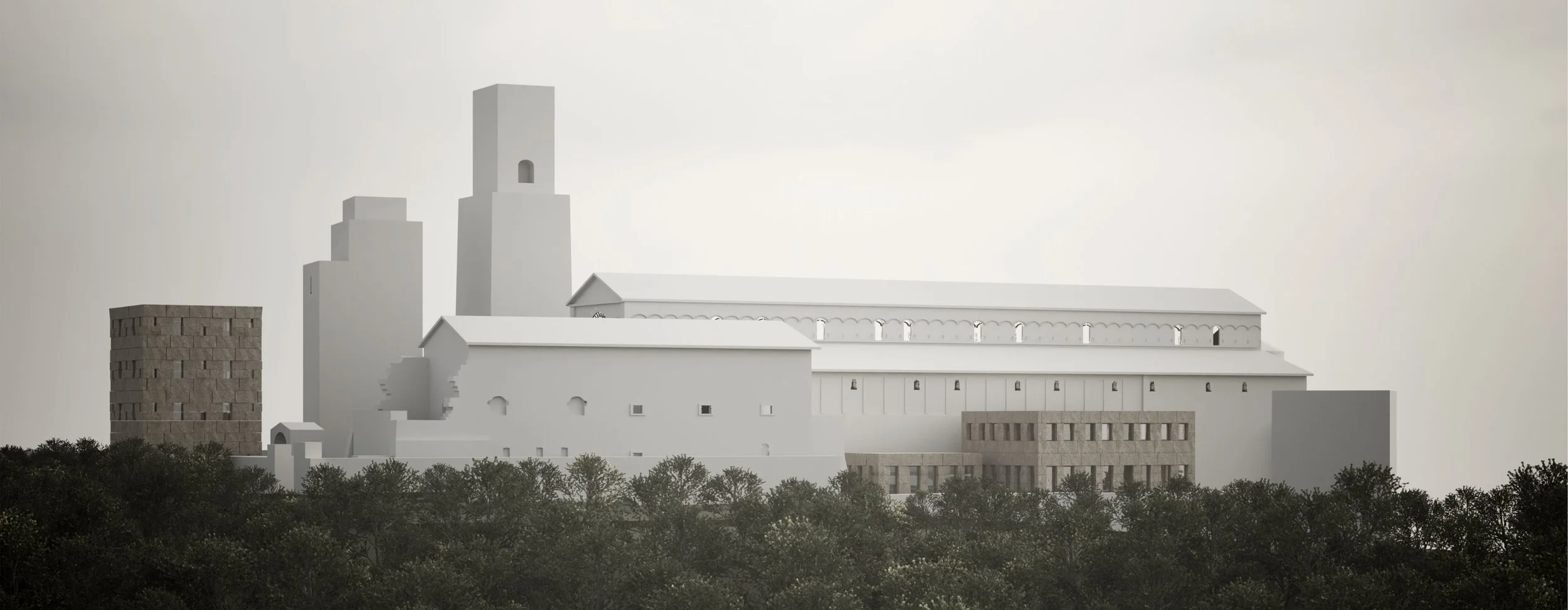
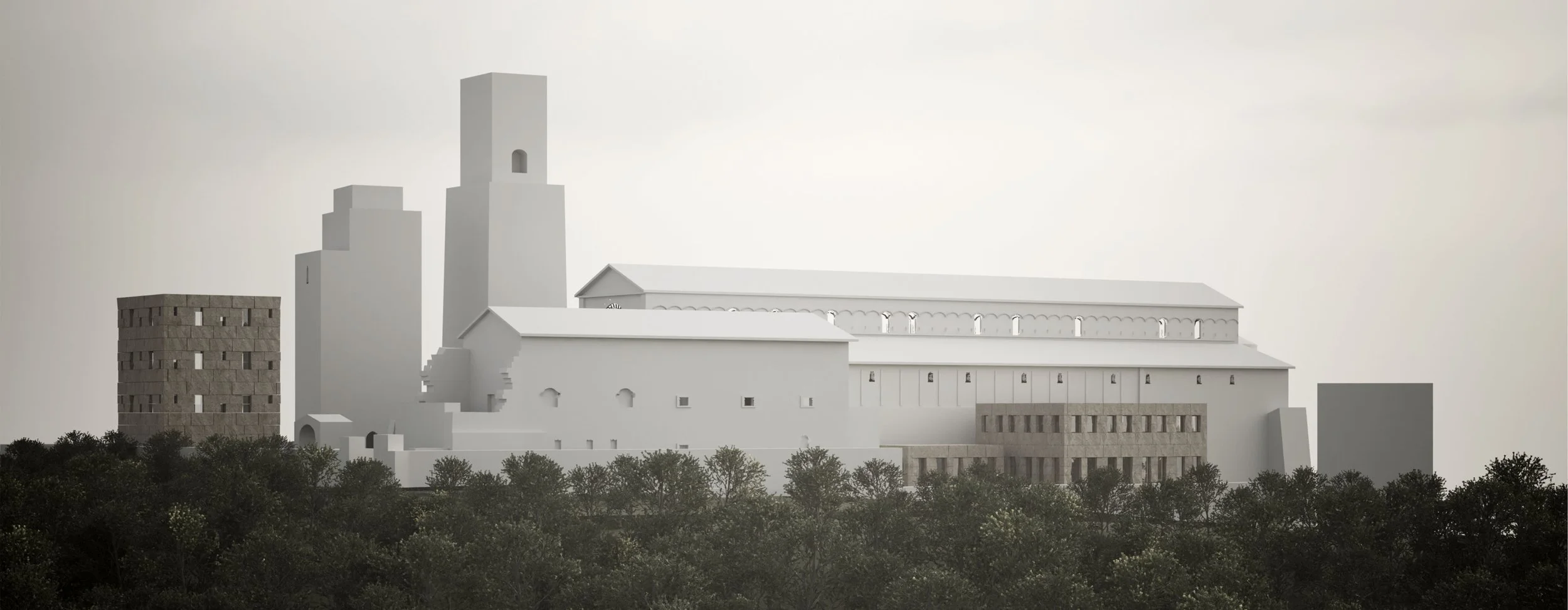
L'emprise au sol des nouvelles constructions souligne les axes et les vides existants. Leurs hauteurs respectent la hiérarchie de l'existant. L'ensemble du complexe dispose de surfaces relativement compactes pour assurer son intégration au site. À l'intérieur, les hauteurs sont généreuses et dessinent les volumes.
Design
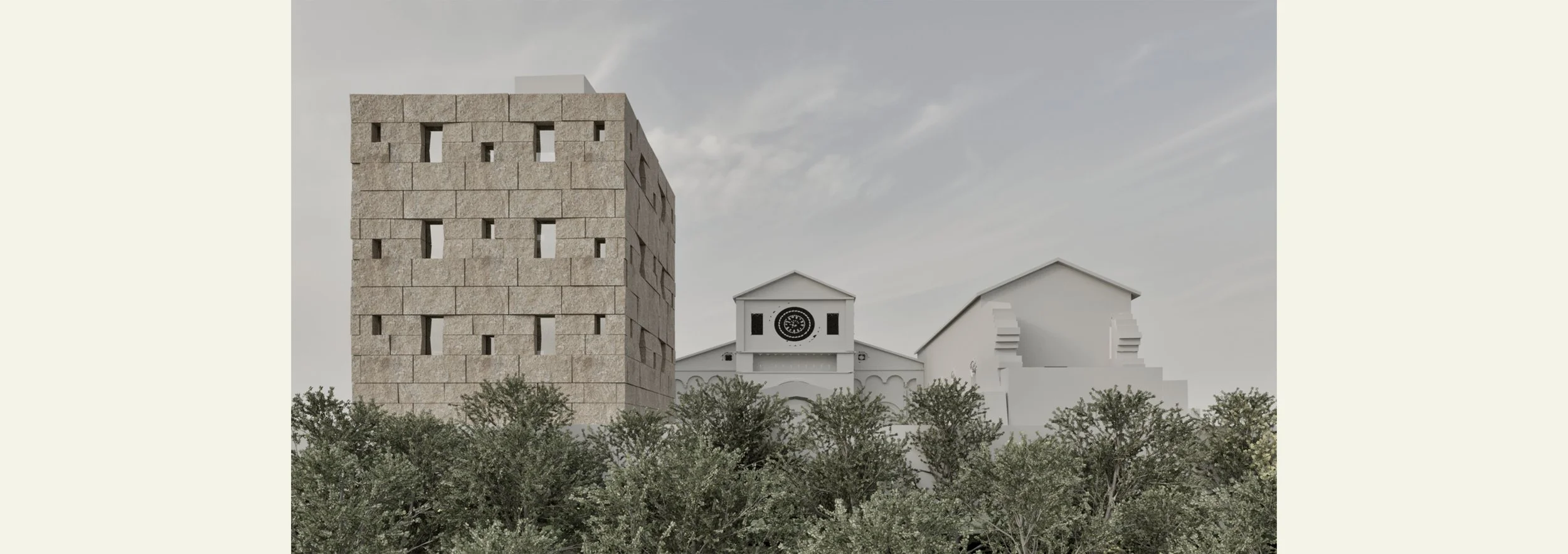
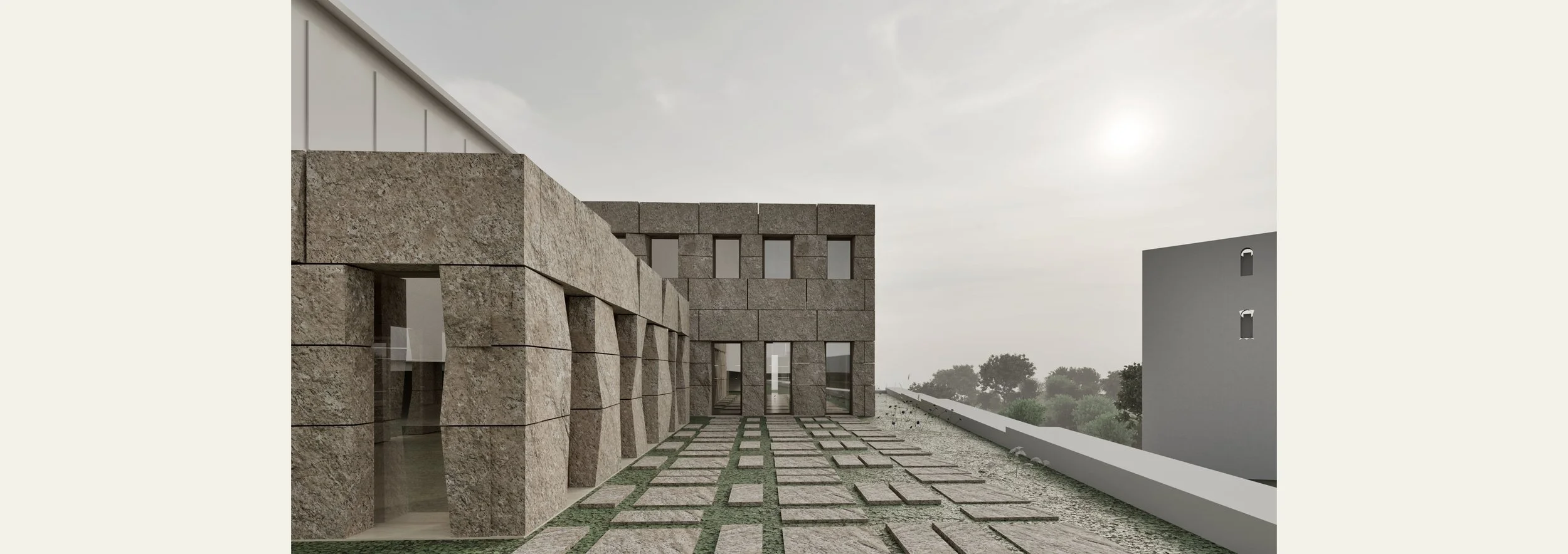
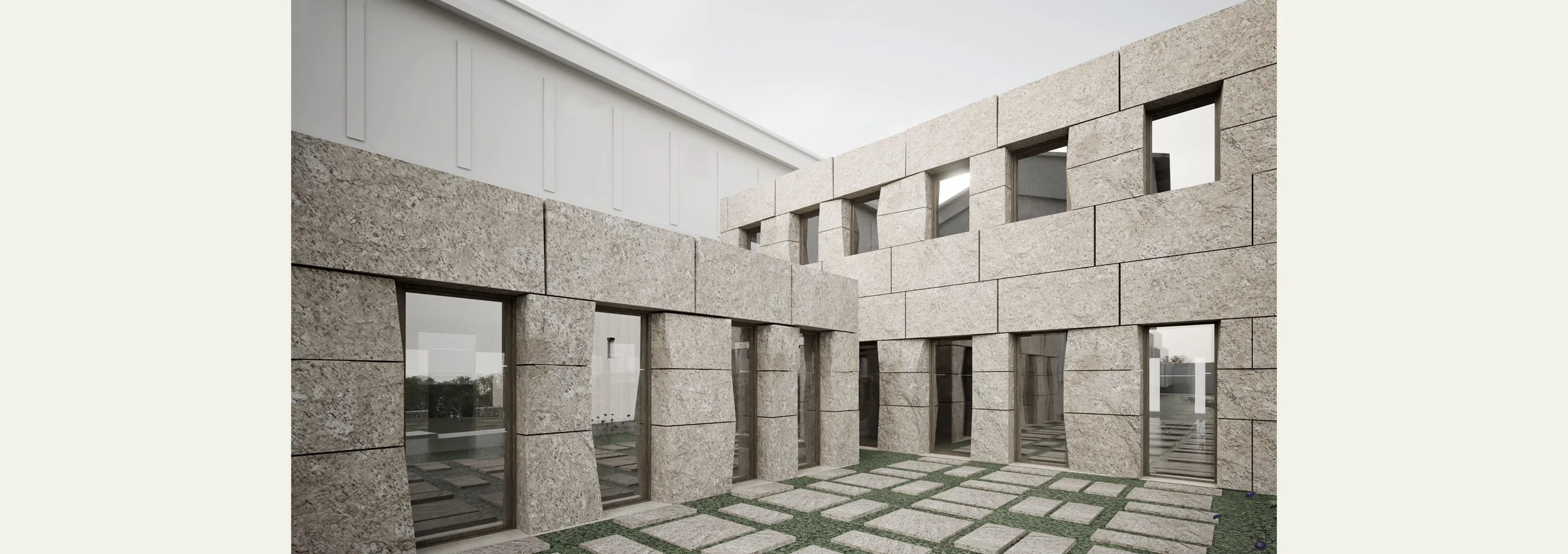
La composition architecturale découle de matériaux naturels ayant subi un nombre de transformations minimum. La structure principale des constructions (voiles, piliers, refends) est en pierre massive. En carrière, les blocs sont transformés avec l'intention de minimiser les traits de scie, en préservant un aspect brut depuis l'extérieur. Il en découle des parallélépipèdes non réguliers à l'échelle des éléments, des polylithes à l'échelle du bâtiment. Une des particularités des constructions en pierre massive concerne leur pose à joints secs, donc facilement démontables et réversibles.
Ce principe – préserver l'élément de construction dans un aspect naturel et d'extraction – est également appliqué aux poutres supportant planchers et toitures. L'isolation est conçue en brique de chanvre pour les murs, et en paille pour la couverture.
De telles contraintes dans le design permettent d'écrire une architecture simple et spontanée. Il en résulte des constructions incisives, à l'identité forte, où les éléments sont liés à la matière qui les compose. Durant leur séjour, les pèlerins profitent de cette architecture dans leur expérience du sacré.
The Pilgrim’s Polyliths
Site, program and concept
The site, like the program, is hierarchized in its relationship to the sacred. To the north, a platform overlooks the hill and opens onto the city. In the forecourt, the space is enclosed and faces the church of San Pietro. Experiences of gathering and sharing are dissociated from those of contemplation and rest: the northern platform will accommodate the former, while the forecourt will integrate the latter.
The footprint of the new constructions underlines existing axes and voids. Their heights respect the hierarchy of the existing context. The complex as a whole is kept relatively compact to ensure its integration into the site. Inside, the generous ceiling heights shape the volumes.
Design
The architectural composition stems from natural materials that have undergone minimal transformation. The main structure of the buildings – shear walls, pillars, partitions – is made of solid stone. In the quarry, the blocks are worked with the intention of minimizing saw cuts, preserving a raw appearance from the outside. This results in irregular parallelepipeds at the scale of the elements, polyliths at the scale of the building. One of the characteristics of solid stone construction is its dry-joint assembly, making it easily demountable and reversible.
This principle – preserving the building element in its natural, quarried state – is also applied to the beams supporting floors and roofs. Insulation is designed using hemp bricks for the walls and straw for the roof covering.
Such design constraints allow for a simple and spontaneous architecture. The result is incisive constructions with a strong identity, where elements are tied to the material that composes them. During their stay, pilgrims experience this architecture as part of their sacred journey.